Painting on fabric is an excellent way to turn everyday textiles into personalized pieces. From customizing clothes to crafting home décor, the possibilities are limitless.
However, if you’re unfamiliar with the craft, understanding some simple guidelines will make the experience far more enjoyable.
Picking the Best Fabric
Some fabrics are better suited than others. Various factors, such as the fiber, weave, texture, and even color, impact how well paint adheres to the material.
Natural Fabrics
For beginners, cotton and linen are good options as they offer a stable foundation for textile paints.
Synthetic Fabrics
Synthetics have different properties and may require paints intended for these materials. Ensure the paint is compatible with your fabric choice.
Preparing Your Fabric Before Painting
This step is easily ignored, yet it’s vital.
Before beginning, wash the fabric following its care instructions, particularly if it’s new. This helps eliminate any finishing agents or impurities that could interfere with the paint.
Let the fabric dry and lay it out on a clean, flat workspace.
Essential Supplies
You don’t need many items to begin.
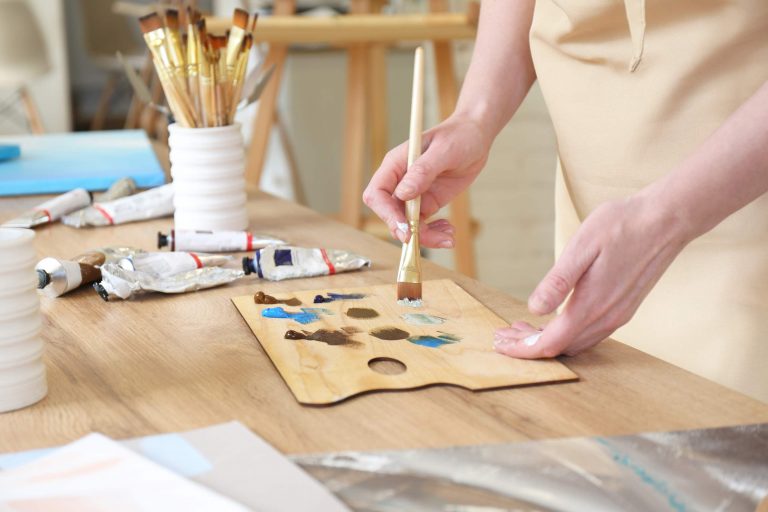
Textile Paints
Select paints specifically made for fabric. There are different types available, offering various effects like matte, glossy, translucent, or textured finishes.
Brushes
A set of brushes in varying shapes and sizes can be helpful. Small brushes work well for fine lines, while larger ones can cover broad areas.
Barrier
Position cardboard, plastic, or a similar protective material behind the fabric, especially when painting garments. Paint might seep through and stain the surface below.
Begin With a Simple Motif
Don’t attempt a highly detailed image for your initial project.
Basic designs like leaves, flowers, letters, geometric shapes, or abstract designs are perfect for learning control over the paint without the complexity.
If possible, lightly sketch your design onto the fabric before painting.
Mastering Layering and Blending
After gaining confidence with basic painting, move on to layering and blending.
Layering
Several coats can deepen the color and add richness.
Blending
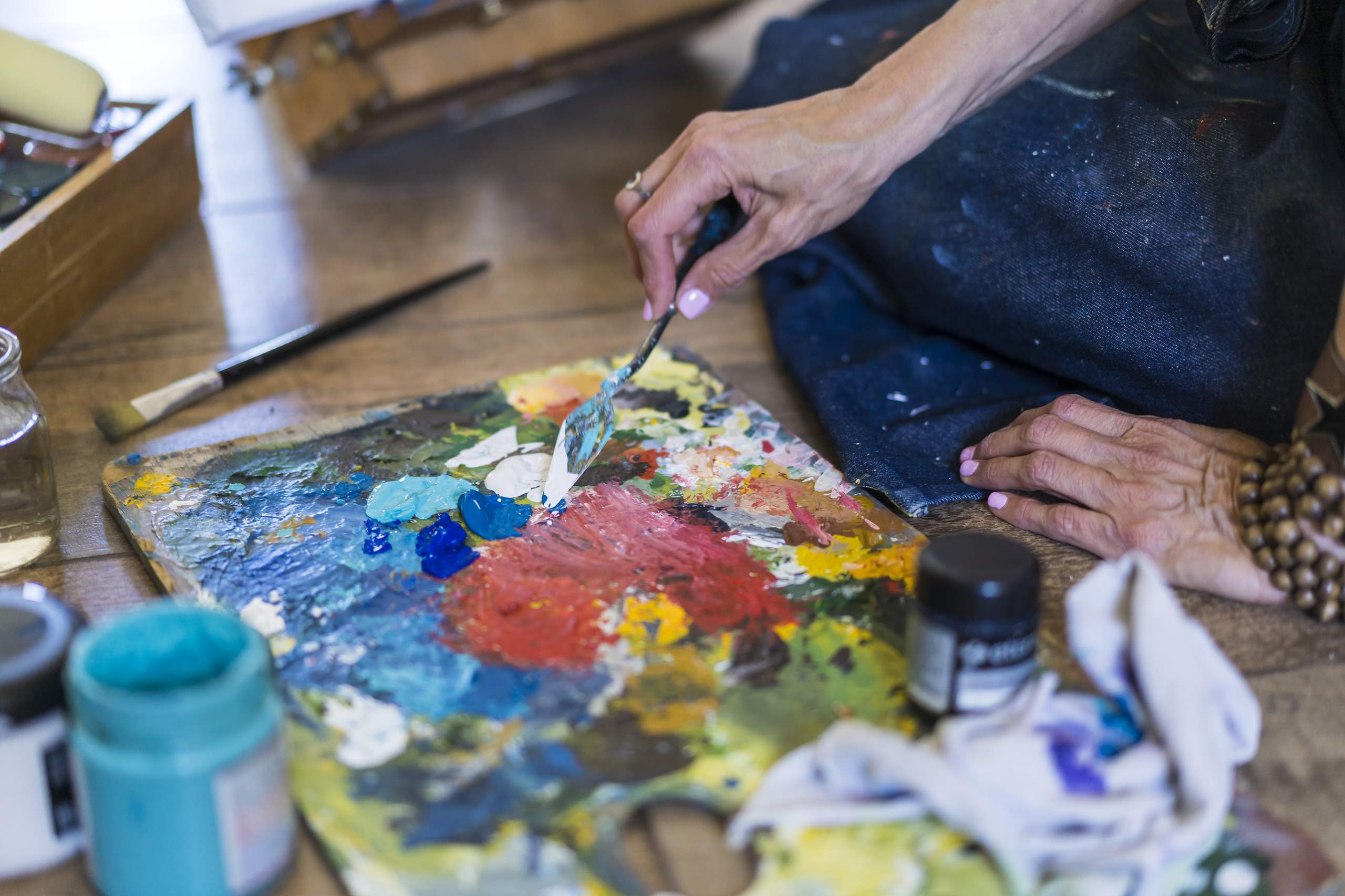
Blend two or more shades to achieve a smooth gradient. Practice on a scrap piece to learn how fast the paint sets and how colors merge.
Drying and Setting the Paint
Many fabric paints need to dry or be heat-set to increase longevity. Make sure to read and follow the manufacturer’s directions for your particular paint.
Don’t skip this part. This step is as crucial as the painting process.
Explore Without Fear of Mistakes
Your initial painting doesn’t have to be flawless. You’ll learn from each attempt, noting how the paint spreads and how different fabrics absorb it.
Save test pieces to refer to later.
Make Fabric Painting Your Own
Understanding the basics of the medium and allowing yourself freedom to try new ideas will help you succeed. Start with a simple piece, work on fundamental skills, and slowly progress to advanced methods.
With time, a simple fabric can be transformed into an original fabric masterpiece.